Transparency Overload: How Radical Openness Became the Enemy of a Lasting Creative Career

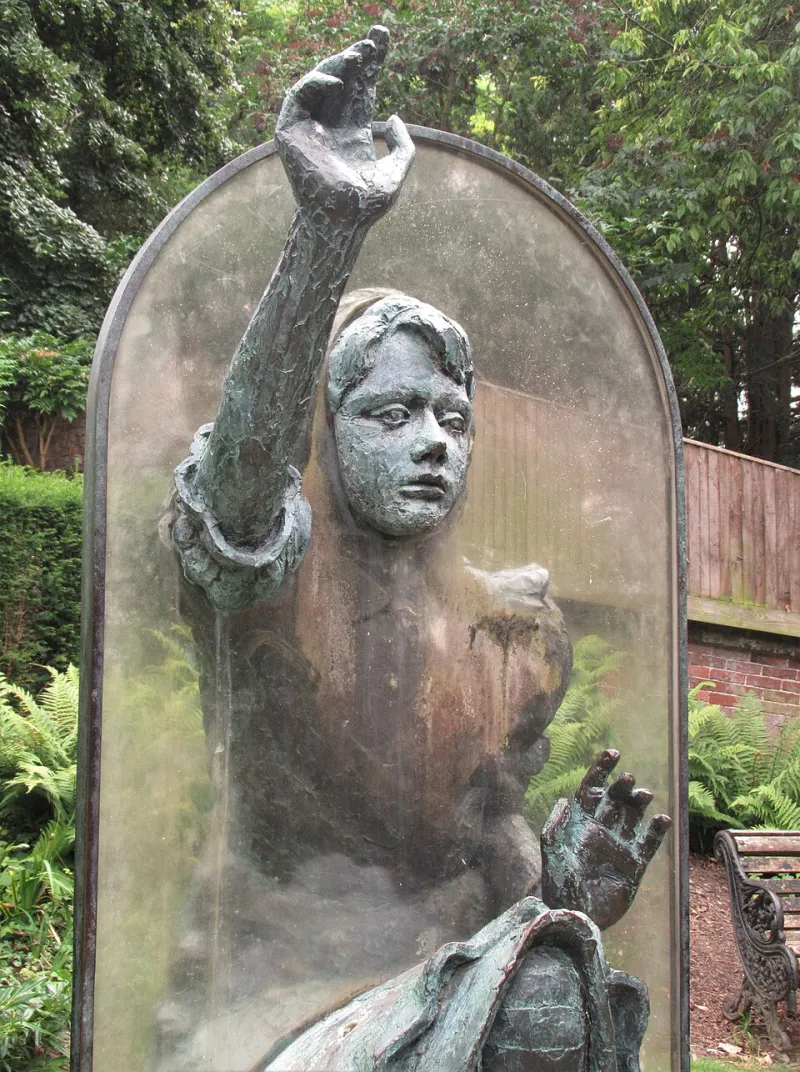
Photo: Photograph by Mike Peel (www.mikepeel.net)., CC BY-SA 4.0, via Wikimedia Commons
There's a moment in every creator's journey when someone — a manager, a coach, a well-meaning friend who just finished a personal branding course — tells you to "just be yourself." And look, it sounds great. It feels liberating. It gets likes.
But here's the thing nobody follows up with: being yourself, all the time, for everyone, at full volume, is one of the fastest ways to stall out a career that had real promise.
We need to talk about the authenticity trap.
The Myth That Vulnerability Scales
Over the past decade, the entertainment and creator economy became obsessed with a particular formula: share your struggles, build trust, convert trust into audience, convert audience into income. And for a while, it worked. A handful of early adopters turned their rock bottoms into rocket fuel, and the industry took notes.
The problem? Everyone took the same notes.
Now we have an entire ecosystem of creators performing vulnerability as a content strategy. The breakdown video. The "I almost quit" post. The tearful reveal about what's really going on behind the scenes. These moments used to feel rare and therefore powerful. Now they're a genre. And audiences — particularly American audiences who have seen every iteration of the redemption arc — are getting quietly exhausted by it.
When vulnerability becomes a deliverable, it stops being vulnerability. It becomes content. And content has a shelf life.
What Oversharing Actually Costs You
Let's get specific about the damage, because this isn't just about aesthetics or brand tone. There are real, concrete career consequences to the oversharing approach.
You eliminate negotiating room. The moment you've publicly detailed your financial anxiety, your fear of irrelevance, or your desperation for a particular kind of opportunity, you've handed every potential partner and employer a roadmap to your pressure points. In entertainment, information is leverage. Giving it away for engagement is a bad trade.
You collapse the distance people need to project onto you. Part of what makes a performer, a filmmaker, a creative force genuinely compelling is the space between who they are and who the audience imagines them to be. That gap is where fascination lives. Radical transparency collapses that space entirely. You become knowable — and knowable is the enemy of iconic.
You create a continuity problem. Every time you share a "real" moment, you're adding to a public record that you'll have to maintain or contradict. Evolving as a person becomes a PR challenge. Changing your mind becomes a narrative crisis. You've boxed yourself in with your own honesty.
Strategic Mystique Isn't Dishonesty — It's Architecture
Here's where the conversation usually goes wrong: people assume the alternative to radical openness is fakeness. That's a false binary.
Strategic mystique isn't about lying or constructing a persona that has nothing to do with who you are. It's about architecture — deciding which rooms of your creative house you invite people into, and which ones you keep private not because you're ashamed, but because some spaces aren't meant to be public.
Think about the entertainers and creators who have genuinely sustained careers across decades in this country. The ones who remain compelling year after year. They share, absolutely — but they share selectively. They give you a window, not a floor plan. You feel like you know them, but there's always something just out of reach. That's not an accident. That's craft.
The best personal brands in entertainment aren't built on maximum disclosure. They're built on curated resonance — sharing the parts of your story that connect, inspire, or illuminate, while protecting the parts that are still forming, still fragile, or simply none of anyone's business.
A Framework for Deciding What Deserves an Audience
So how do you actually figure out what to share and what to hold back? Here's a simple filter worth running every piece of personal content through before it goes live.
Does sharing this serve the story I'm building, or does it just relieve my anxiety? There's a huge difference between sharing something because it adds to your creative narrative and sharing something because you're stressed and need validation. One builds a career. The other builds a therapy session with strangers.
Would I be comfortable with this being the first thing a dream collaborator reads about me? Not your current audience — your future audience. The showrunner you haven't met yet. The label exec. The investor. If the answer is no, that's information.
Am I sharing from strength or from need? Sharing a challenge you've already moved through, with perspective and purpose, is genuinely powerful. Sharing a challenge while you're still in the middle of it, hoping the audience will help you figure it out, is something else entirely.
Is this story mine to tell right now? Some things need time to become stories. While they're still happening, they're just experiences — and experiences shared too early often lose the meaning they would have gained with distance.
The Competitive Advantage Nobody Talks About
Here's the quiet truth that the personal branding industrial complex doesn't want to sell you: in a landscape where everyone is performing openness, a little strategic restraint is genuinely differentiated.
When you're the creator who doesn't overshare, people lean in. When you're the entertainment professional who keeps certain things close to the chest, people wonder — and wondering is engagement of the highest order. You become someone worth paying attention to, not because you've given everything away, but because there's always more to discover.
Building a career in entertainment is a long game. The decisions you make about visibility and disclosure in year two will shape what's possible in year ten. The most durable careers aren't built on maximum transparency — they're built on maximum intentionality.
Your real self deserves better than being turned into content. Protect it. Curate it. And trust that what you choose not to show can be just as powerful as everything you do.